If you’ve watched precision rifle competitions and thought “I’d love to try that, but not at $2 a round,” PRS Rimfire and NRL22 were made for you. They use the same positional skills as centerfire PRS (building stable positions on barricades, calling wind, beating the clock) with a .22LR, at local-range distances and for a fraction of the cost.
They’re also among the most welcoming ways into competitive shooting. Here’s what to expect and how to show up ready.
What Are PRS Rimfire and NRL22?
Both are timed, positional precision matches shot at steel and paper targets with a scoped .22LR rifle.
- NRL22 runs a standardized course of fire each month. Clubs across the country shoot the same stages, so you can compare scores nationally. Distances are short (typically 25 to 100 yards), which makes it a perfect first match.
- PRS Rimfire matches are designed by each match director. Expect more creative stages, more props, and longer shots, often out to 200 to 300+ yards.
A typical stage gives you a set amount of time (often 90 to 120 seconds) to engage several targets from one or more positions: prone, kneeling, off a barricade, a tire, a ladder, or a rooftop prop. Hits score points; misses don’t.
Why start here? Rimfire ammo is cheap, recoil is almost zero, and a .22 is very sensitive to wind. Every mistake shows up on the target, which makes it one of the fastest ways to build real precision skills.
The Gear You Actually Need
You don’t need a truckload of gear for your first match. Focus on these essentials:
1. A precision .22LR rifle
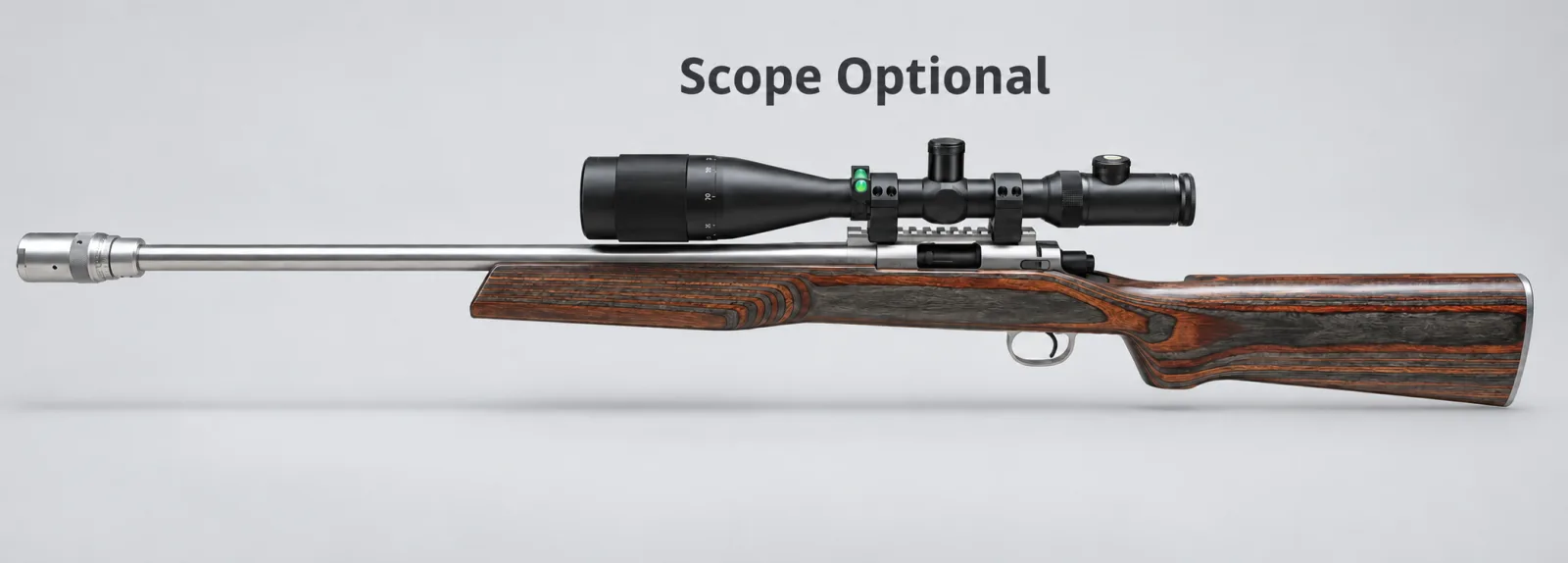
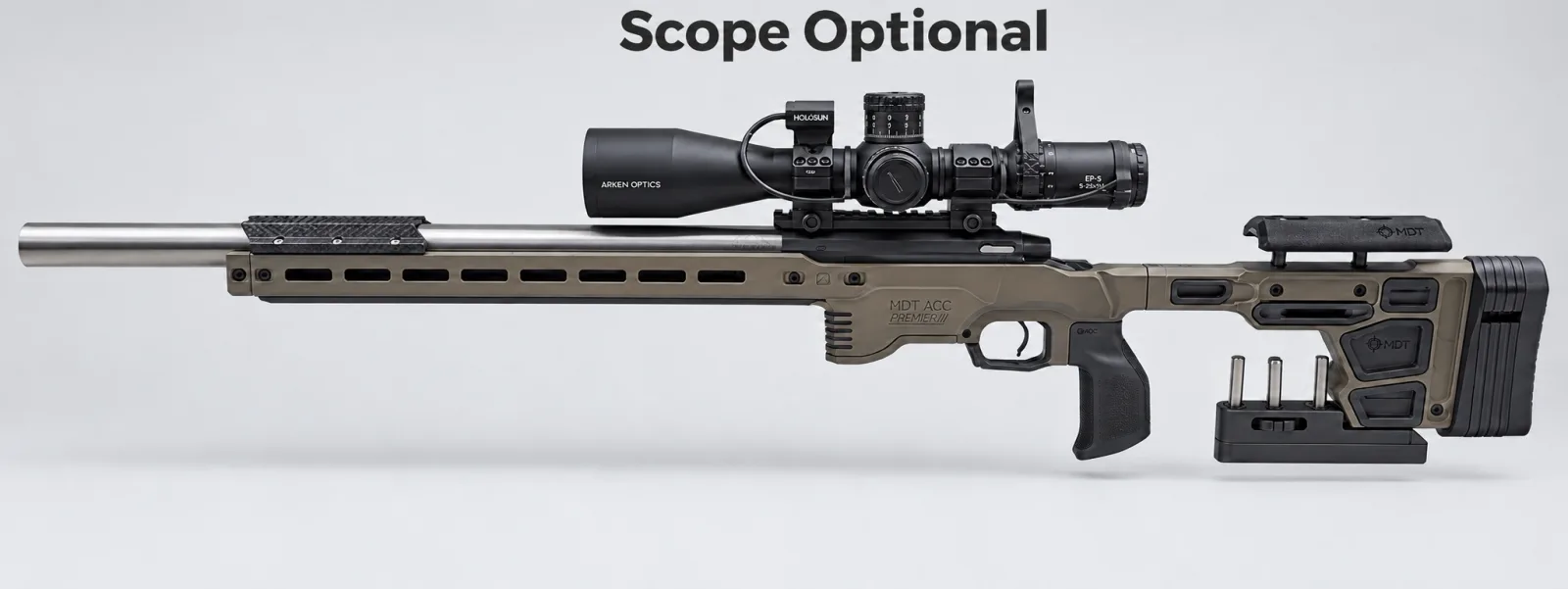
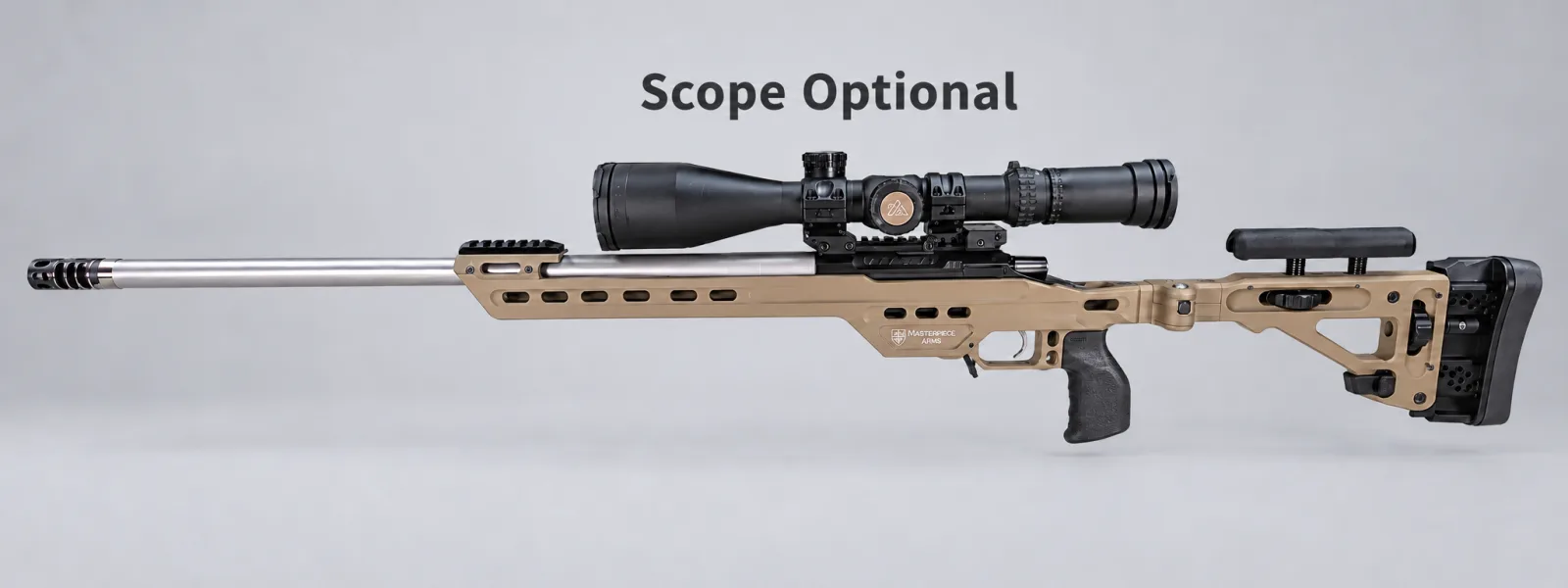
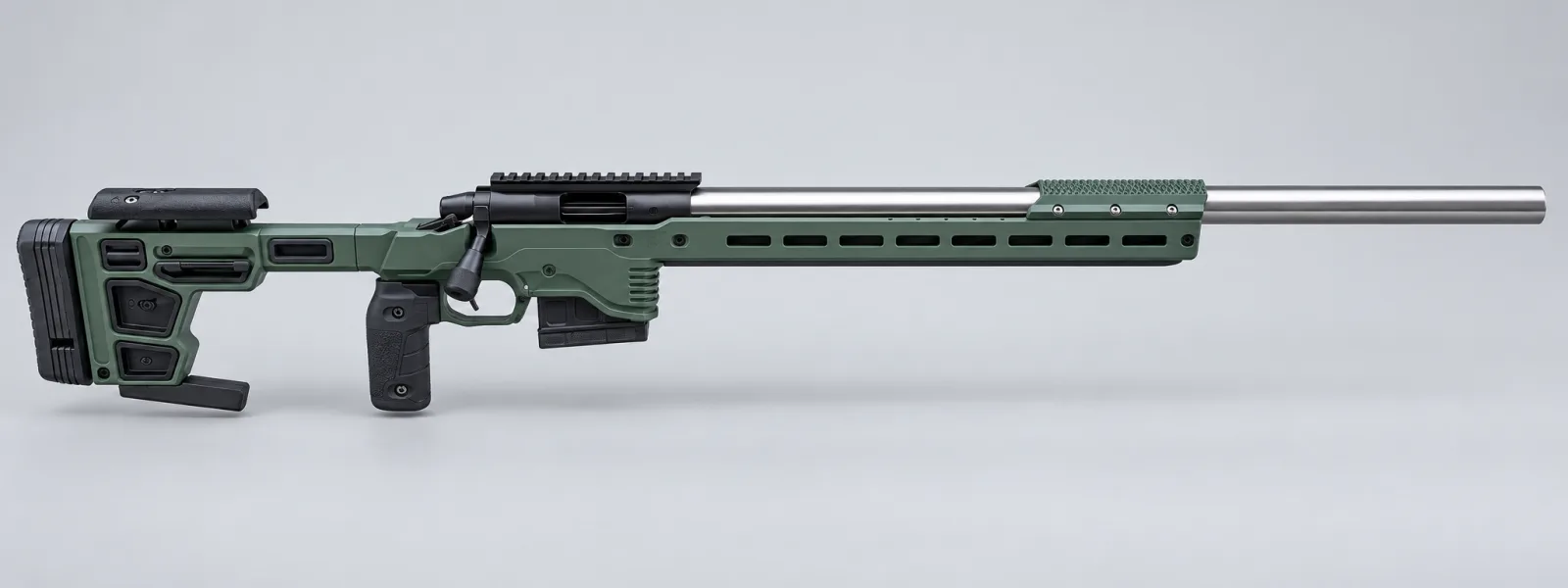
This matters most. A rifle for positional shooting should have:
- A chassis or adjustable stock with a flat-bottom forend that sits steady on barricades and bags.
- A smooth, consistent action. You’ll cycle it quickly under time pressure, and a sticky bolt costs points.
- A match-grade barrel that groups consistently at 50 to 100 yards.
- Good balance. Forend weights can help the rifle settle on props.
That’s the thinking behind rifles like our RimX-based builds: a proven Zermatt RimX action, a match barrel, and an MDT chassis, assembled, test-fired, and zeroed so you can focus on shooting instead of tinkering.
2. A first-focal-plane (FFP) scope with a MIL reticle
You’ll hold over for elevation and wind constantly. An FFP scope keeps the reticle subtensions accurate at every magnification. A MIL-based reticle with matching 0.1 MIL turrets is the most common setup and makes it easy to talk data with other shooters.
3. A bipod and a rear bag
- A bipod for prone and some barricade positions.
- A rear bag (or two) for support under the stock and for building positions on props. This is the most-used piece of support gear in the game.
4. The basics
- Eye and ear protection (required)
- At least 3 to 4 magazines, loaded before each stage
- A data card with your elevation holds at each distance, taped to your stock or scope
- A notebook to log what worked and what didn’t
Ammunition: Keep It Consistent
Most competitors use standard-velocity or match-grade .22LR (around 1,050 to 1,100 fps). High-velocity ammo goes from supersonic to subsonic in flight, which can hurt accuracy at distance.
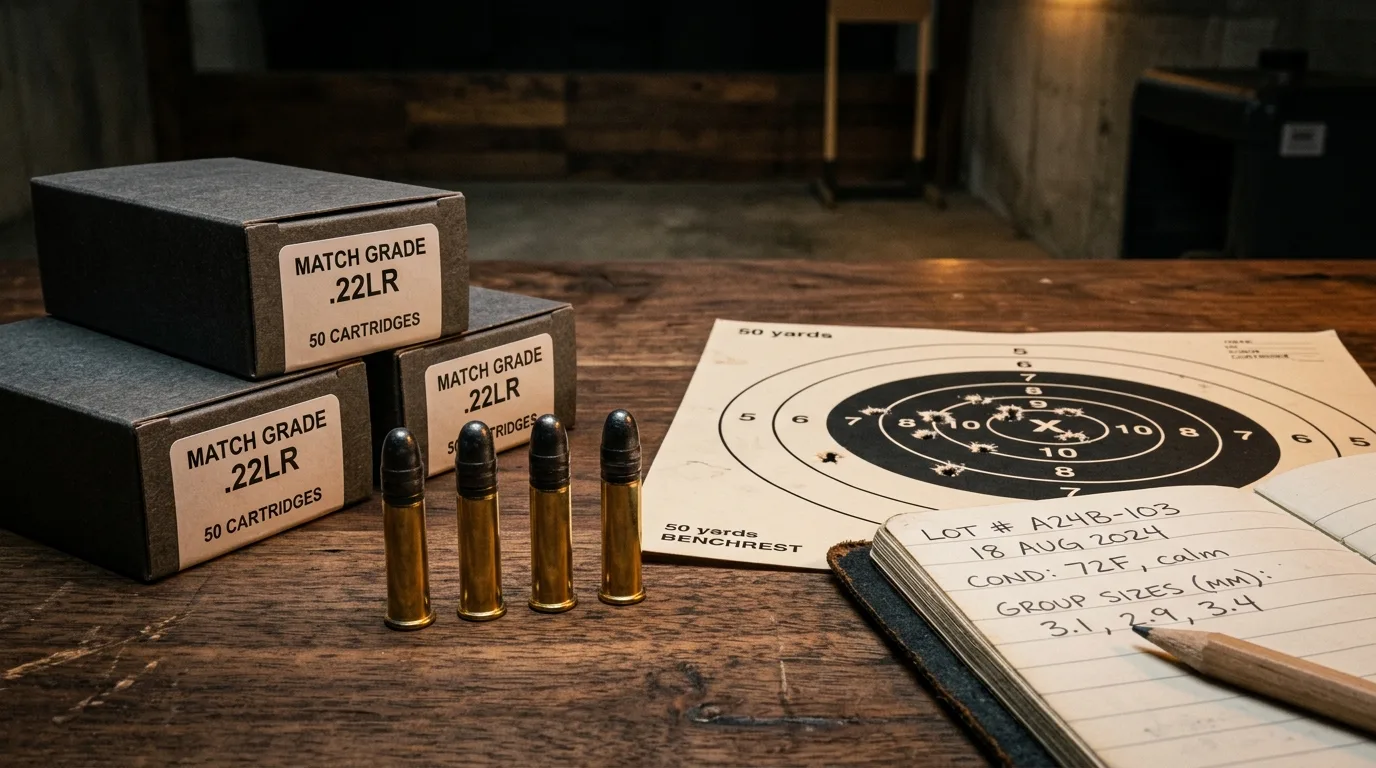
Even more important than brand is consistency. Different lots of the same ammo can shoot differently in the same rifle. Once you find one that groups well, buy as much of that lot as you can. We cover this in detail in Why Ammo Lot Testing Matters for .22LR Accuracy.
How to Prepare for Your First Match
- Zero at 50 yards and confirm your holds at 25, 75, and 100 yards (and further if your range allows).
- Practice positions, not just groups. Shoot off a chair back, a fence rail, or a stack of bags. Time yourself.
- Dry-fire at home. Building a position and pressing the trigger smoothly costs nothing.
- Read the match book if it’s posted in advance, and plan your positions.
- Arrive early and ask questions. Rimfire shooters are a friendly crowd, and most will gladly help a new shooter.
Common Beginner Mistakes
- Rushing the first shot. A good position beats a fast one. Speed comes with practice.
- Ignoring wind. At 100 yards a light breeze can move a .22LR bullet more than you’d expect. Watch the mirage, grass, and flags.
- Changing everything after one bad stage. Log it, fix one thing at a time.
- Not knowing your holds. Write them down. Under the clock you’ll forget.
The Bottom Line
PRS Rimfire and NRL22 are the best value in precision shooting. You’ll learn positional shooting, wind reading, and match pressure, skills that carry straight over if you move up to centerfire.
Start with a rifle you can trust, keep your ammo consistent, and get to a match. The fastest way to improve is to shoot with people who are better than you.
Not sure whether rimfire or centerfire is right for you? Read our Rimfire vs. Centerfire guide.