The Core Difference

It’s All in How the Cartridge Is Primed

The main difference between centerfire and rimfire is the priming system: the part that ignites the powder.

Base of a centerfire cartridge with the primer in the center Centerfire

Primer in the Center

A centerfire cartridge has four main components:

  • Case, usually made of brass
  • Primer, seated in the center of the case’s base
  • Powder
  • Bullet, the projectile that leaves the barrel

The primer’s position gives centerfire ammunition its name. Every component must be appropriate for the particular cartridge and firearm.
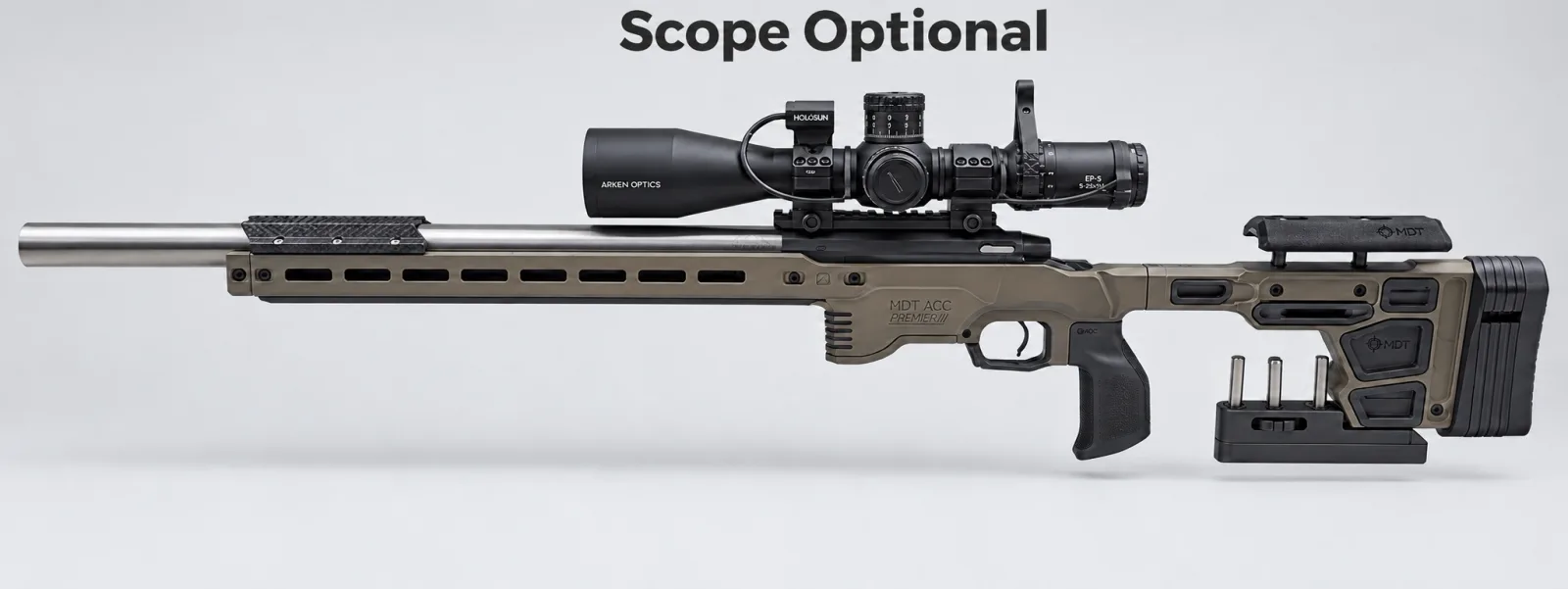
Base of a rimfire cartridge with priming compound in the rim and a firing pin strike at the edge Rimfire

Priming in the Rim

Rimfire ammunition contains a case, priming compound, powder, and a bullet, but no separate primer.

  • The priming compound is contained inside the case’s hollow rim
  • The firing pin strikes the rim to ignite the cartridge
  • Modern rimfire ammunition is generally small caliber
  • .22 Long Rifle is a common choice for precision rimfire benchrest

Caliber alone does not determine whether ammunition is rimfire or centerfire. The priming system does.

Rimfire · .22LR

Choose rimfire if you…

  • Are new to precision shooting and want to build skills fast
  • Want high-volume practice without high ammo costs
  • Shoot at local ranges of 25 – 300 yards
  • Want to compete in PRS Rimfire, NRL22, or rimfire benchrest
See 6 Rimfire Rifles →
Centerfire · 6.5 CM · .223 · 6 PPC

Choose centerfire if you…

  • Want to shoot steel at 600, 1,000 yards, and beyond
  • Compete (or plan to) in centerfire PRS / NRL or ELR
  • Chase one-hole groups in centerfire benchrest
  • Have access to longer ranges
See 6 Centerfire Rifles →
Side by Side

How They Compare

RimfireCenterfire
IgnitionPriming compound inside the case’s hollow rimSeparate primer seated in the center of the case base
AmmunitionFactory only; not designed to be reloadedFactory or handloaded to suit the rifle
Typical match distance25 – 300 yards100 yards to 1 mile+
Cost per round (match ammo)Cents to well under $1About $1.50 – $3+ (factory match)
Recoil & noiseVery low, easy all-day shootingModerate; brakes and suppressors help
Barrel lifeTens of thousands of roundsA few thousand rounds (depends on cartridge)
Range requirementsWorks at most local rangesNeeds longer ranges for full potential
Wind readingVery wind-sensitive, a great teacherCritical at distance
Best forLearning, training volume, benchrest scoringDistance, PRS/NRL, ELR, group benchrest

Costs and distances are typical ranges and vary by ammunition, match format, and venue.

Why It Matters

Ammunition: Tailor It or Test It

Both centerfire and rimfire rifles can be sensitive to ammunition. The difference is how much control the shooter has over it.

Tailor

Centerfire shooters can handload

Many centerfire competitors handload their ammunition, giving them control over component selection and consistency.

Developing ammunition that performs well in a particular rifle takes experience, careful testing, and detailed records.

Test

Rimfire shooters select factory ammo

Conventional rimfire ammunition is not designed to be reloaded, so competitors depend on factory ammunition.

They test different brands, product lines, and manufacturing lots to find what performs best in their particular rifle. How .22LR lot testing works →

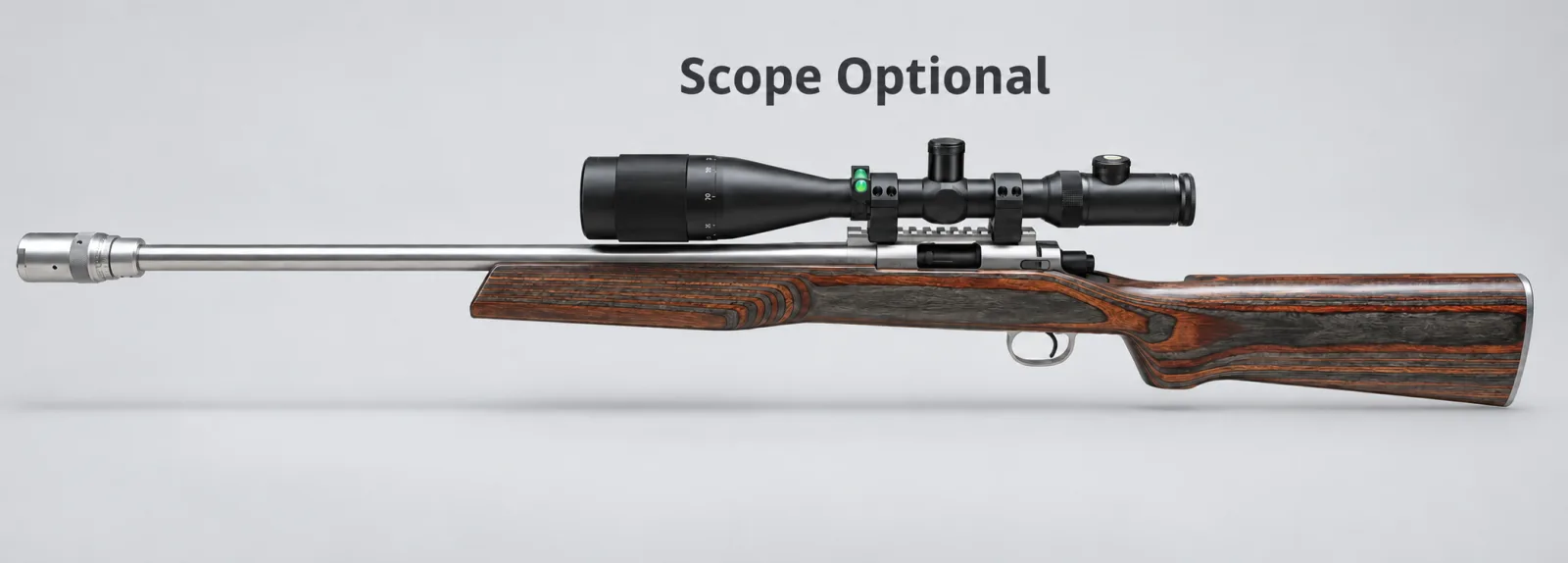
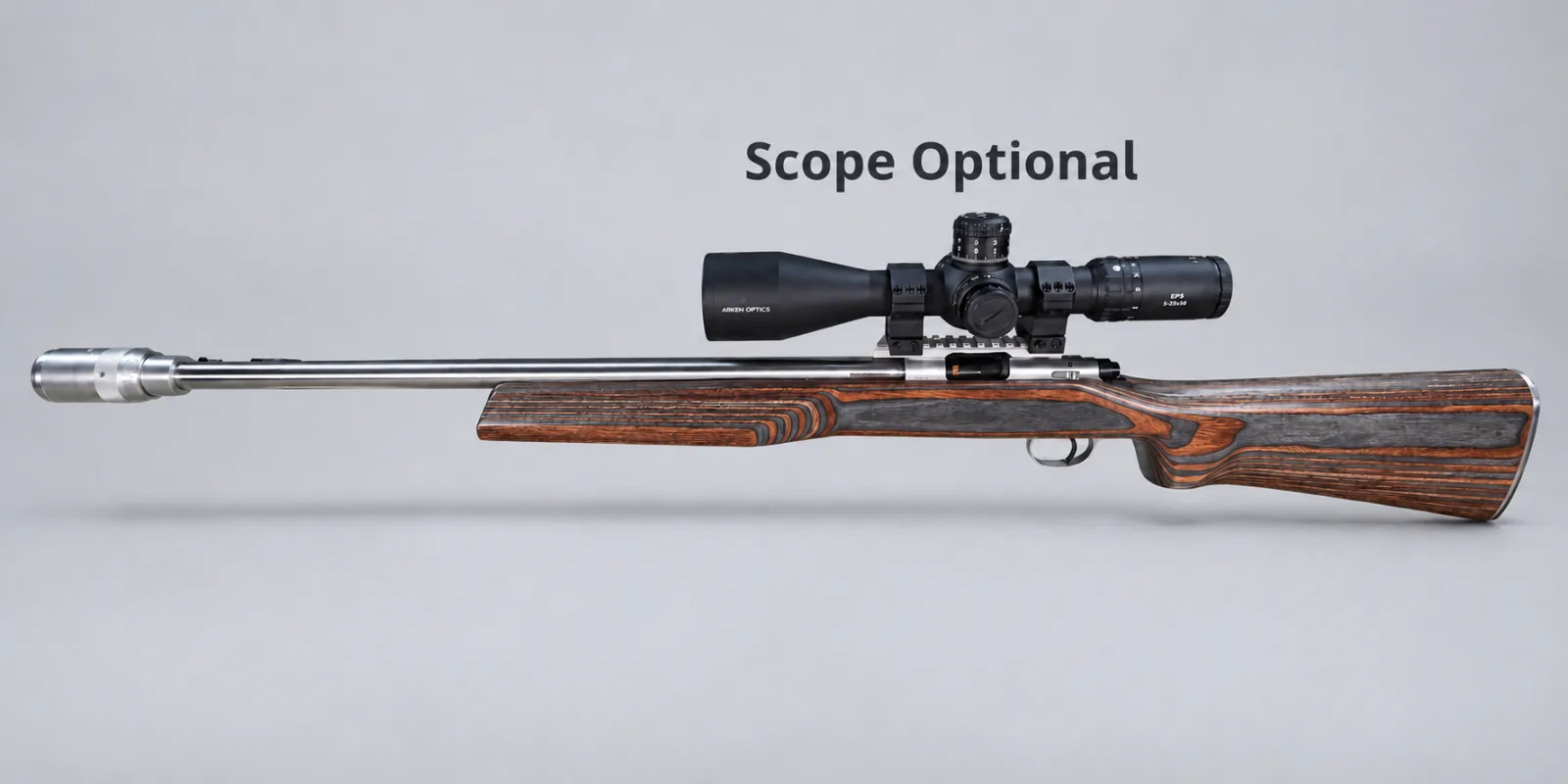
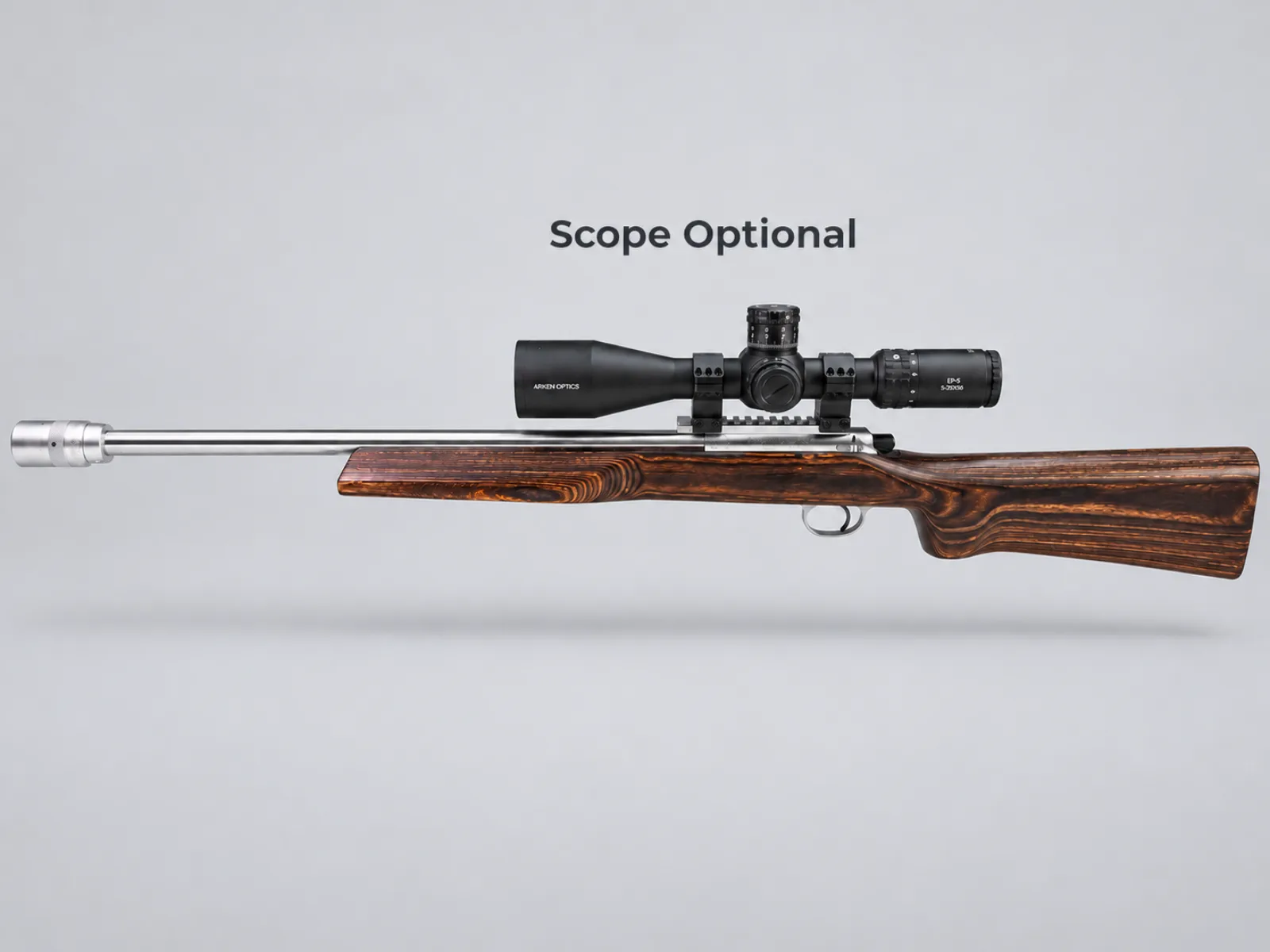
Even two rifles from the same manufacturer can perform differently with the same ammunition. Barrel characteristics, vibration, ammunition consistency, and other factors all affect results. Finding the right rifle-and-ammunition combination is a major part of precision rimfire shooting. That’s why our rimfire rifles are built with tuners.

On the Line

How the Competitions Differ

Centerfire
300 – 1,000+ yards

Many disciplines, many distances

Centerfire competition includes several disciplines. Some emphasize hits on targets at varying distances, while others measure group size or score on paper. Depending on the discipline, distances range from a few hundred yards to well beyond 1,000 yards.

Rimfire Benchrest
< 1/16″ can decide a match

Exceptionally small margins, commonly at 50 yards

Precision rimfire benchrest demands exceptionally small margins of error. Fractions of a sixteenth of an inch can separate a winning score from the rest of the field.

Example: American Rimfire Association (ARA) scoring

  • 25 scoring bulls per target
  • Shots score by placement; a shot that completely removes the center dot also earns an “X”
  • Worst-edge scoring: a shot that breaks a scoring line receives the lower value
  • Results reflect performance across multiple targets, with tie-breaks set by the applicable rules
By Discipline

Find Your Discipline

What each discipline demands from a rifle, and which in-stock Cybex rifles are built for it.

01
rimfire 25 – 300+ yards

PRS Rimfire & NRL22

Positional precision on a rimfire budget

Timed, positional stages shot from barricades, props, and unconventional positions at steel targets. It is the same skill set as centerfire PRS, at a fraction of the cost per round, and it is one of the fastest-growing ways to get into precision shooting.

Best for: New precision shooters, and centerfire PRS shooters who want affordable training.

What matters in the rifle

  • A chassis or adjustable stock that is stable on barricades and bags
  • A smooth, repeatable action that cycles fast under time pressure
  • A first-focal-plane scope with a usable MIL reticle for holdovers
  • Weight and balance tuned for positional shooting

In stock for PRS Rimfire & NRL22 (2)

02
rimfire 25 & 50 yards

Rimfire Benchrest

Every X-ring counts

Score-based matches (such as ARA and IR 50/50) shot from a rest at small scoring rings. Wind reading and absolute mechanical consistency decide matches, often by a single X.

Best for: Shooters chasing perfect scores and the tightest groups a .22 can produce.

What matters in the rifle

  • A benchrest action with a precise lockup (e.g. PQP / HoleShot designs)
  • A match barrel paired with a tuner to dial in your ammunition lot
  • A low-profile benchrest stock that tracks straight in the bags
  • A light, crisp trigger measured in ounces

In stock for Rimfire Benchrest (4)

+ 1 more in Ready to Ship →
03
centerfire 300 – 1,200 yards

Centerfire PRS & NRL

Real distance, real wind

The centerfire version of positional precision: multi-stage matches with steel targets at real distance. Ballistics, wind calls, and speed under pressure are all tested.

Best for: Competitors ready to step up from rimfire, or anyone who wants to shoot steel at distance.

What matters in the rifle

  • A rigid action and match barrel with a twist suited to high-BC bullets
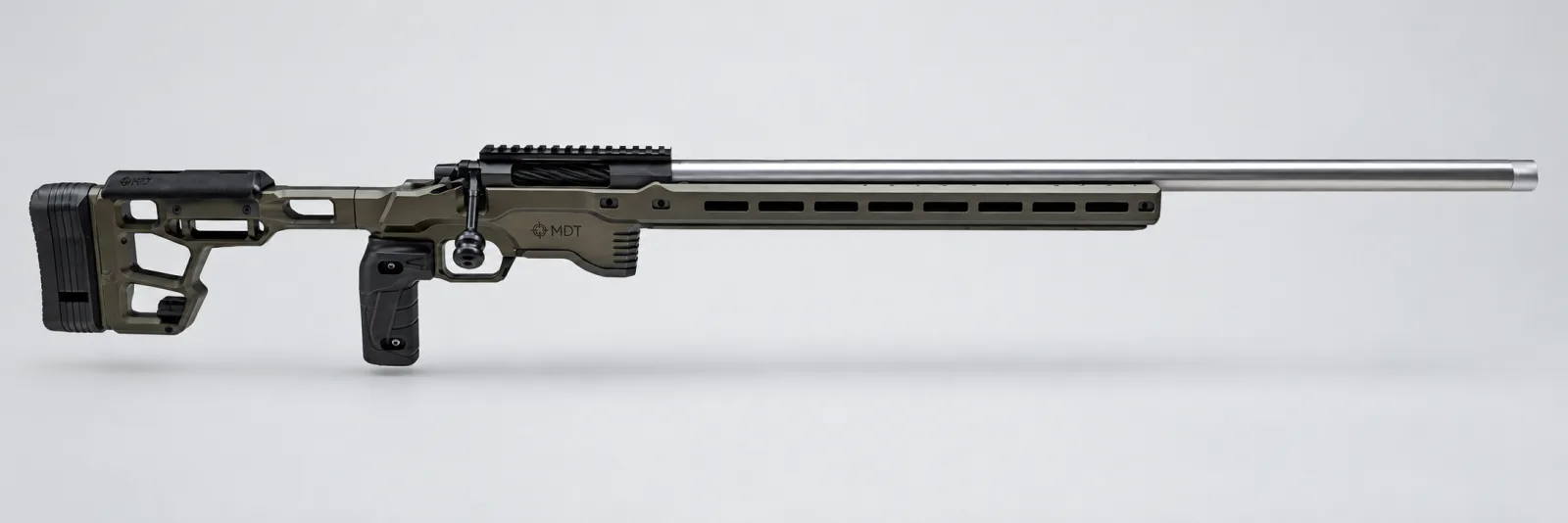
  • A chassis with an ARCA rail and adjustable fit for positional work
  • A threaded muzzle for a brake or suppressor to manage recoil
  • A quality FFP scope with plenty of elevation, plus a 20-MOA rail

In stock for Centerfire PRS & NRL (5)

+ 2 more in Ready to Ship →
04
centerfire 100 – 300 yards

Centerfire Benchrest

The pursuit of the one-hole group

Group and score benchrest is the most accuracy-focused discipline in shooting. The 6mm PPC has long been the standard in short-range group benchrest, and every component exists to remove variables.

Best for: Accuracy purists who measure success in thousandths of an inch.

What matters in the rifle

  • A benchrest action (e.g. Kelbly’s Prometheus) in a bedded benchrest stock
  • A heavy-contour barrel machined to match the action
  • A cartridge known for inherent accuracy, such as the 6mm PPC
  • An ultra-light trigger and a stock that tracks perfectly in the bags

In stock for Centerfire Benchrest (1)

05
centerfire 1,000 yards to 1 mile+

Long Range & ELR

Pushing past the horizon

Long-range shooting stretches the limits of ballistics, optics, and wind reading. A heavy-barreled 6.5 Creedmoor is an excellent, manageable entry point. True ELR (well beyond a mile) usually moves to larger magnum cartridges, so call us if that is your goal.

Best for: Shooters who want to see how far they can push it.

What matters in the rifle

  • A heavy barrel that stays consistent through long strings
  • A scope with generous elevation travel, plus a 20-MOA (or more) rail
  • A stable chassis or folding stock with room for a bipod and rear bag
  • High-BC bullets and accurate ballistic data

In stock for Long Range & ELR (4)

+ 1 more in Ready to Ship →
Your Experience Level

Where Are You in the Sport?

Both disciplines require specialized equipment. Here’s how our complete rifle packages fit each stage.

01

Beginner

New to the sport and want to try it before making a substantial investment.

Start with our guides and talk to us. A rimfire rifle is often the most affordable way in.

Talk to Us →
Built for You 02

Developing Shooter

Some experience and ready to improve, but want guidance on what equipment to buy and why.

Ready for the next step? Our complete packages take the guesswork out of component selection.

See Complete Packages →
Built for You 03

Advancing Competitor

Having success in matches and recognize that better equipment could make you more competitive.

This is who we build for: proven components, assembled and test-fired, in stock now.

Shop Ready to Ship →
04

Highly Experienced Competitor

Know exactly what you want. Many build their own or invest $10,000–$15,000 and wait a year or more for a particular gunsmith.

Want that level of rifle without the wait? Ask what we have ready now.

Contact the Builder →
From the Builder

Why We Build Complete Rifle Packages

I started in centerfire shooting, and most of my rifle-building experience comes from that world. Today I’m expanding into precision rimfire benchrest shooting and competition.

Both disciplines demand specialized equipment, and many shooters don’t have the time, experience, or resources to assemble a competitive custom rifle themselves, especially as they move into more demanding competition. So I decided to put that experience to work in complete rifle packages: proven components, assembled, test-fired, and ready to compete.

FAQ

Common Questions

What is the difference between rimfire and centerfire ammunition?

It comes down to how the cartridge is primed. Centerfire ammunition uses a separate primer seated in the center of the case base. Rimfire ammunition holds its priming compound inside the hollow rim of the case, and the firing pin strikes the rim to ignite it. Caliber alone does not determine which type a cartridge is.

Can you reload rimfire ammunition?

Conventional rimfire ammunition is not designed to be reloaded. That is why precision rimfire shooters test different brands, product lines, and manufacturing lots of factory ammunition to find what their rifle shoots best.

Should a beginner start with rimfire or centerfire?

Most new precision shooters progress fastest on rimfire. Low recoil, cheap ammunition, and close-range matches mean more trigger time and faster skill-building. Many top centerfire competitors still train on rimfire.

Is a .22LR really accurate enough for serious competition?

Yes. Rimfire benchrest and PRS Rimfire are serious disciplines with national-level competition. A precision-built .22 with a match barrel, a quality action, and a tuner can hold the tiny scoring rings used in ARA and IR 50/50 benchrest.

What does a tuner do on a rimfire rifle?

A tuner is an adjustable weight on the muzzle that changes barrel harmonics. Setting it for your ammunition lot can noticeably tighten groups and reduce vertical dispersion, which is why our benchrest rimfire rifles include one.

Is 6.5 Creedmoor good for ELR?

A heavy-barreled 6.5 Creedmoor is an excellent, manageable entry into long-range and 1,000-yard+ shooting. True ELR (well beyond a mile) usually moves to larger magnum cartridges. Call us and we can talk through your goals.

Do your rifles come ready to shoot?

Yes. Every rifle is professionally assembled, test-fired with match-grade ammunition, and cleaned. Rifles shipping with scopes are zeroed at 50 yards (rimfire) or 100 yards (centerfire). Each ships to your FFL dealer.

New Rifle Alerts

Know Your Discipline? Get Alerted First.

Pick what you shoot and we’ll email you when a matching rifle is ready to ship. Still deciding? Call (419) 740-0456 and talk it through with us.

Only new-rifle alerts. No spam. Reply “unsubscribe” anytime.